Enquire

Planning guide · Europe

How to plan a destination wedding in Europe

The useful decisions happen before the pretty ones. Choose the right country, venue and format first, then build a weekend that feels easy for you and the people travelling to be there.

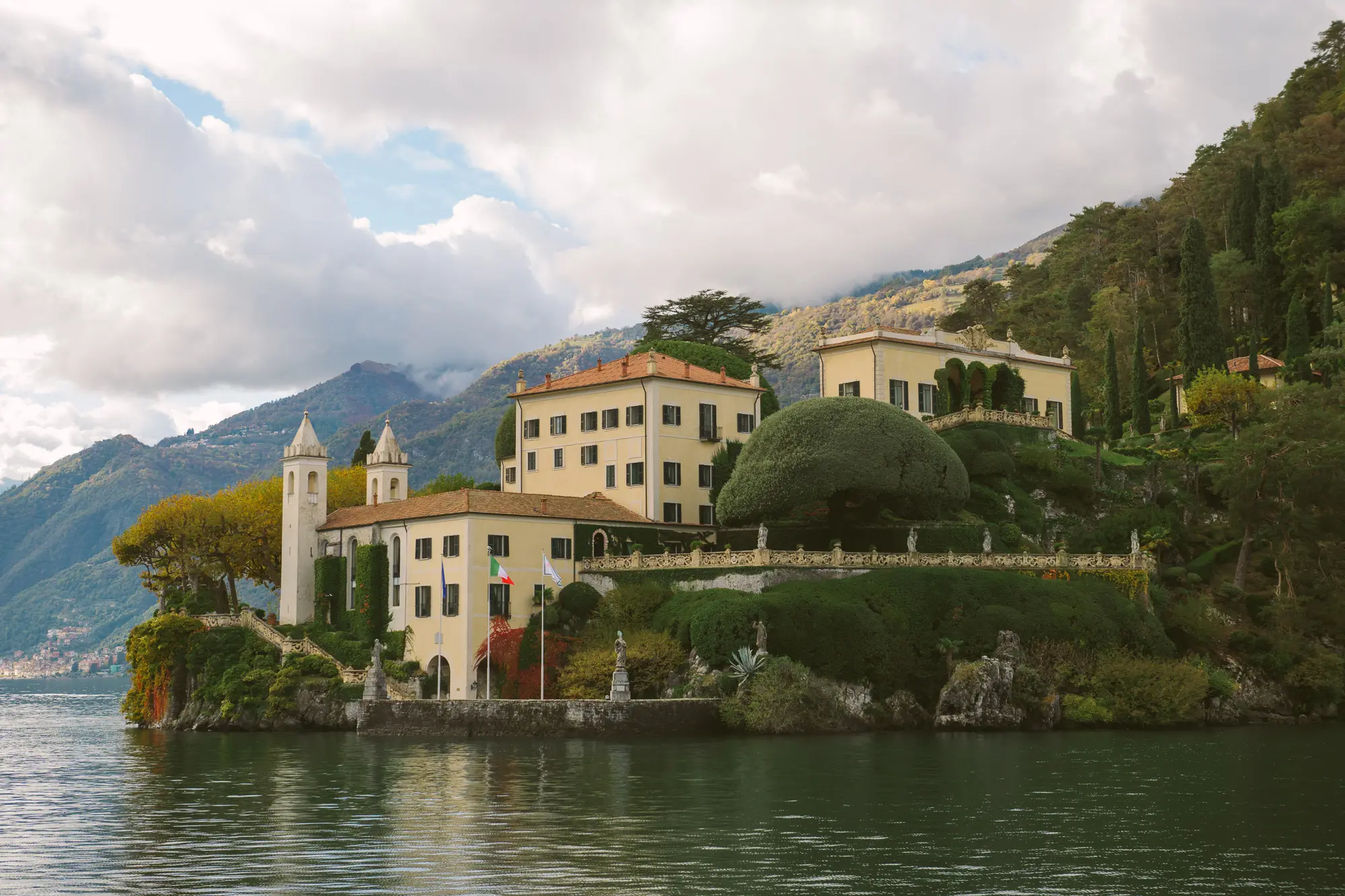
Villa del Balbianello on Lake Como, a European destination wedding setting

01 · Start with the shape of the wedding

Choose the country around your guests and the experience you want.

Italy is wonderfully varied: a lake wedding can feel formal and composed, while Sicily, Puglia or the Italian Riviera can make the weekend more relaxed and social. France works beautifully for château weekends, Provençal estates, the Riviera and city celebrations in Paris. London is often the practical choice when guests are spread across countries or when you want a city wedding without asking everyone to travel between airports, ferries and mountain roads.

Think about the journey as part of the decision. A venue that looks perfect on a map may involve a long transfer, limited taxis or a steep walk for older guests. Ask how people will arrive, where they will stay, how they will move between events and what they can do on the day before the wedding.

Then decide whether the legal ceremony must happen in the destination. A civil ceremony at home followed by a symbolic ceremony abroad can remove paperwork while keeping the destination experience. If you want the legal marriage abroad, ask the venue or planner for current local requirements before paying a deposit.

Wedding portrait at Château de Vaux-le-Vicomte

Choose the feeling first

Europe is not one wedding destination. It is a collection of very different stories.

Start with the atmosphere you want your guests to remember, then narrow the search by season, travel and venue type.

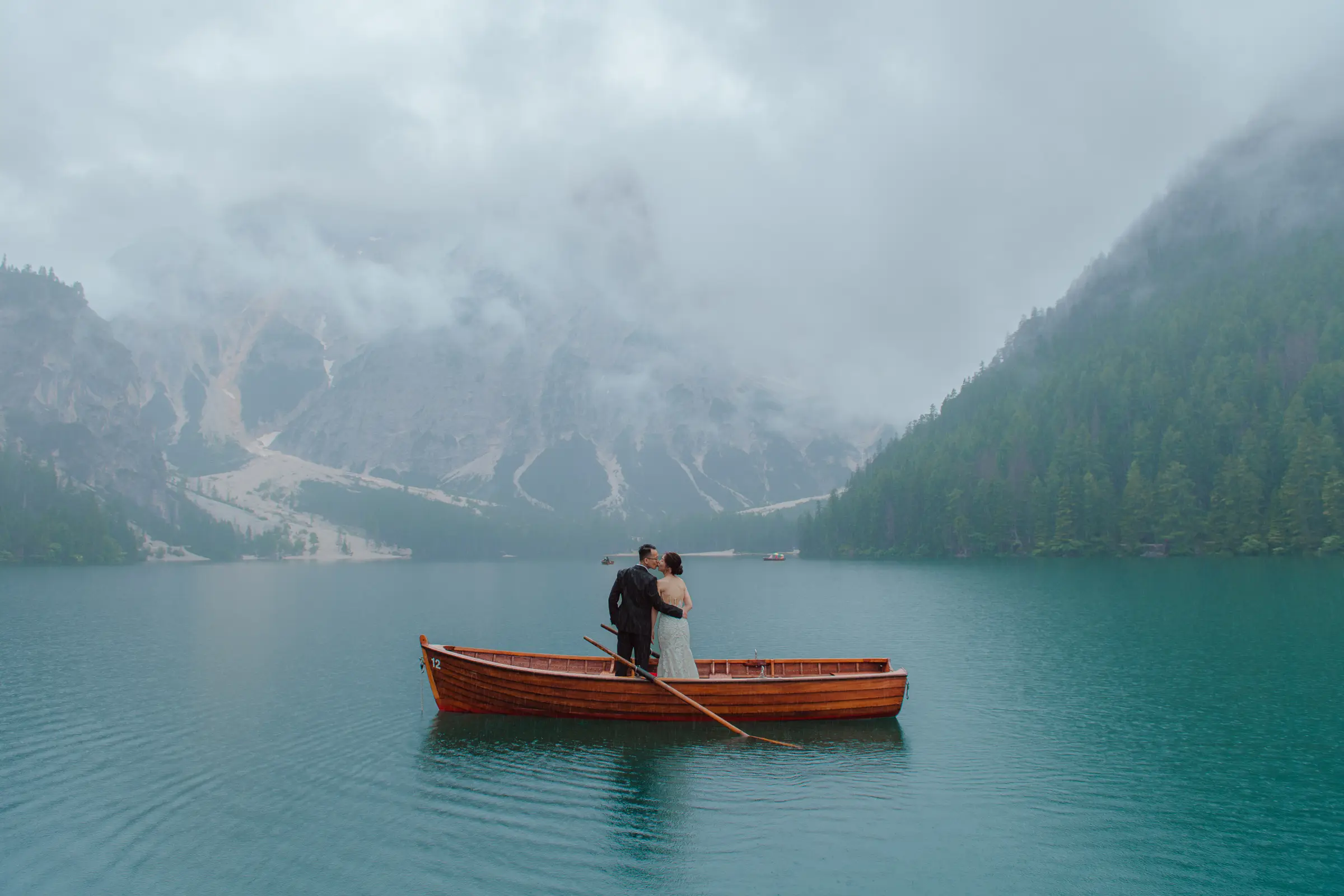
Mountain scenery in the Dolomites

Mountains and winter light

Switzerland, the Dolomites or Norway

Choose the Alps if the landscape is part of the reason for travelling. Switzerland gives you lakes, mountain railways and precise logistics. The Dolomites bring sharper peaks, alpine meadows and dramatic summer light. Norway offers fjords, forests, winter darkness and a more elemental sense of place.

Mountain weddings need honest planning: cable-car times, weather changes, walking distances, warm layers and a nearby indoor plan. If you love winter, decide whether you want snow as a backdrop or a comfortable celebration with winter atmosphere around it.

Explore Dolomites photography
French château wedding setting

Country houses and vineyards

Tuscany, Bordeaux or the Loire Valley

For countryside scenery, look for a place where the wedding can unfold mostly on one property. Tuscany gives you cypress roads, warm stone and long evening dinners. Bordeaux works for vineyards, Atlantic influence and elegant estates. The Loire Valley offers gardens, rivers, forests and château architecture without every day needing to feel formal.

Ask how the grounds work in real life. Where do guests go between ceremony and dinner? Is there shade in the afternoon? Can portraits happen without taking you away from everyone for an hour? The best country venues give the day a natural rhythm.

Explore France photography
Mediterranean garden wedding setting

Sea, heat and long dinners

The South of France, Amalfi, Portofino or Sicily

A Mediterranean wedding works when the guest experience matters as much as the view. The South of France offers gardens, villas and easy links between coastal towns. The Amalfi Coast is intensely beautiful but rewards a smaller guest list and careful transport planning. Portofino is compact and cinematic. Sicily gives you more space, stronger contrasts and a slower sense of time.

Plan for shade, wind, heat, boat schedules and a late dinner. The most useful portrait location may be a quiet lane, a hotel terrace or the walk between two events rather than the famous viewpoint everyone has already seen.

Explore South of France venues
Historic wedding architecture in the UK

History, fog and atmosphere

Scotland, Ireland and grand historic settings

Scotland and Ireland suit couples who want weather, landscape and history to remain visible in the photographs. A castle, ruined chapel, coastal road or country estate can feel more memorable than a polished hotel because the place has its own mood before the flowers arrive.

Fog and rain are part of the character, but they still need a plan. Look for covered walks, fireplaces, a good room for dinner and enough space for guests to gather without being moved constantly. Historic Scotland has a wide range of wedding properties, from castles to chapels and estates.

Explore Scotland photography
Historic château near Paris

Fairytale architecture

French châteaux beyond the obvious shortlist

If you want a fairytale setting, start with the architecture but ask what kind of weekend it creates. Some estates are made for a large formal celebration; others are better for a small house party with long lunches, garden walks and guests staying together.

Quieter places are often found by looking one region beyond the headline destination. Consider smaller Loire estates, inland Provence, the Dordogne or the less-publicised parts of the French Riviera. The right venue is the one whose scale matches your people, budget and pace.

Read the France venue guide
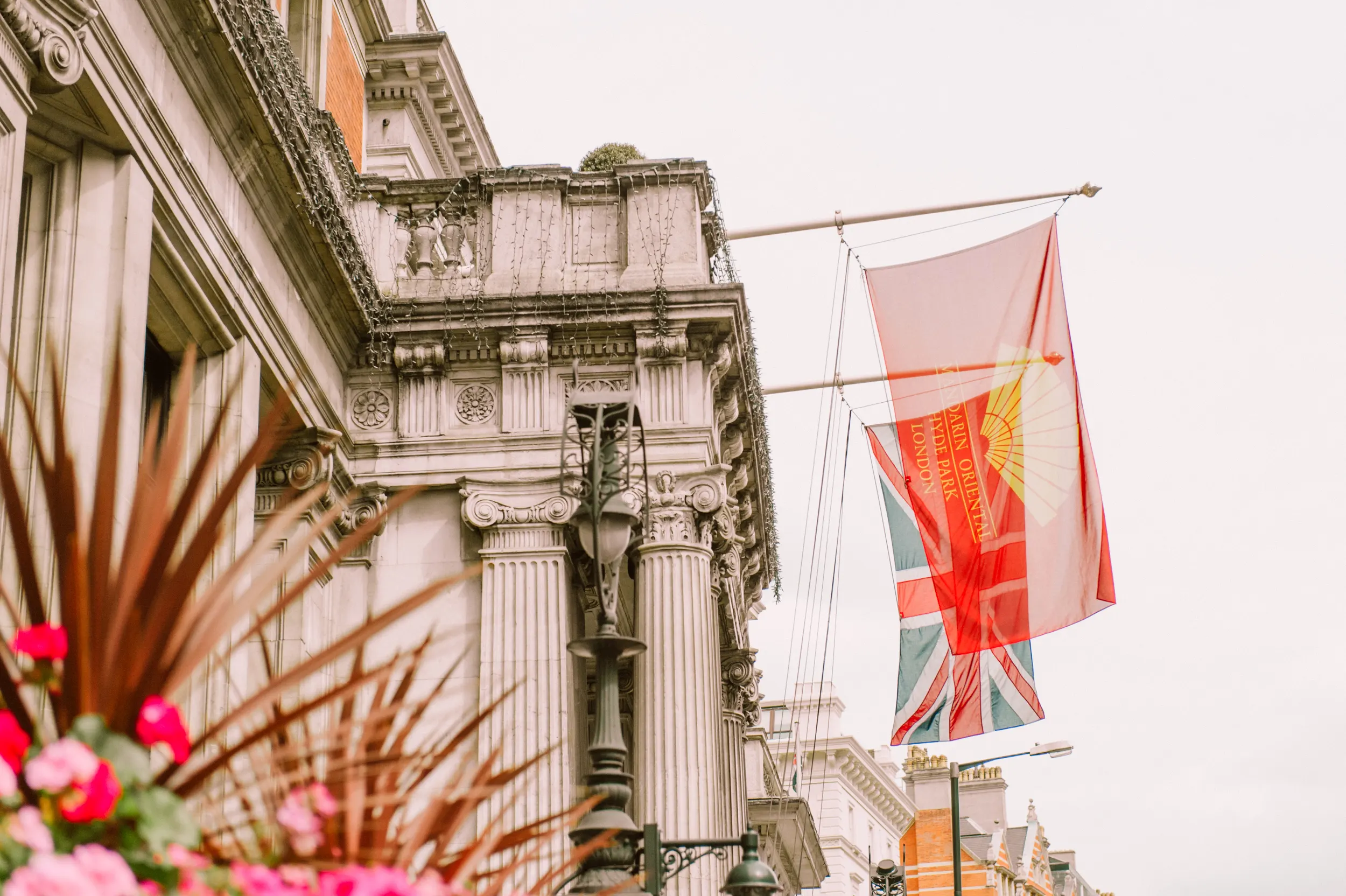
London hotel wedding setting

City celebrations

London, Paris and Venice

Choose a city when art, food, architecture and easy access matter more than a private estate. London gives you exceptional hotels, historic rooms and several visual chapters within a short distance. Paris and Venice offer a stronger sense of theatre, but the route needs to be planned around crowds, permits, access and the hours when the light is kindest.

A city wedding can still feel intimate. Keep the guest movement simple, choose one or two anchor locations and let the streets between them become part of the story.

Explore London hotel venues

Quieter ideas worth investigating

Lake Orta for a smaller Italian lake celebration, the Aurlandsfjord for a fjord setting, Gougane Barra for an intimate Irish landscape, the Scottish Borders for historic country houses, and inland Alentejo for a slower Portuguese weekend. These places reward proper local research because availability, ceremony rules and access vary widely.

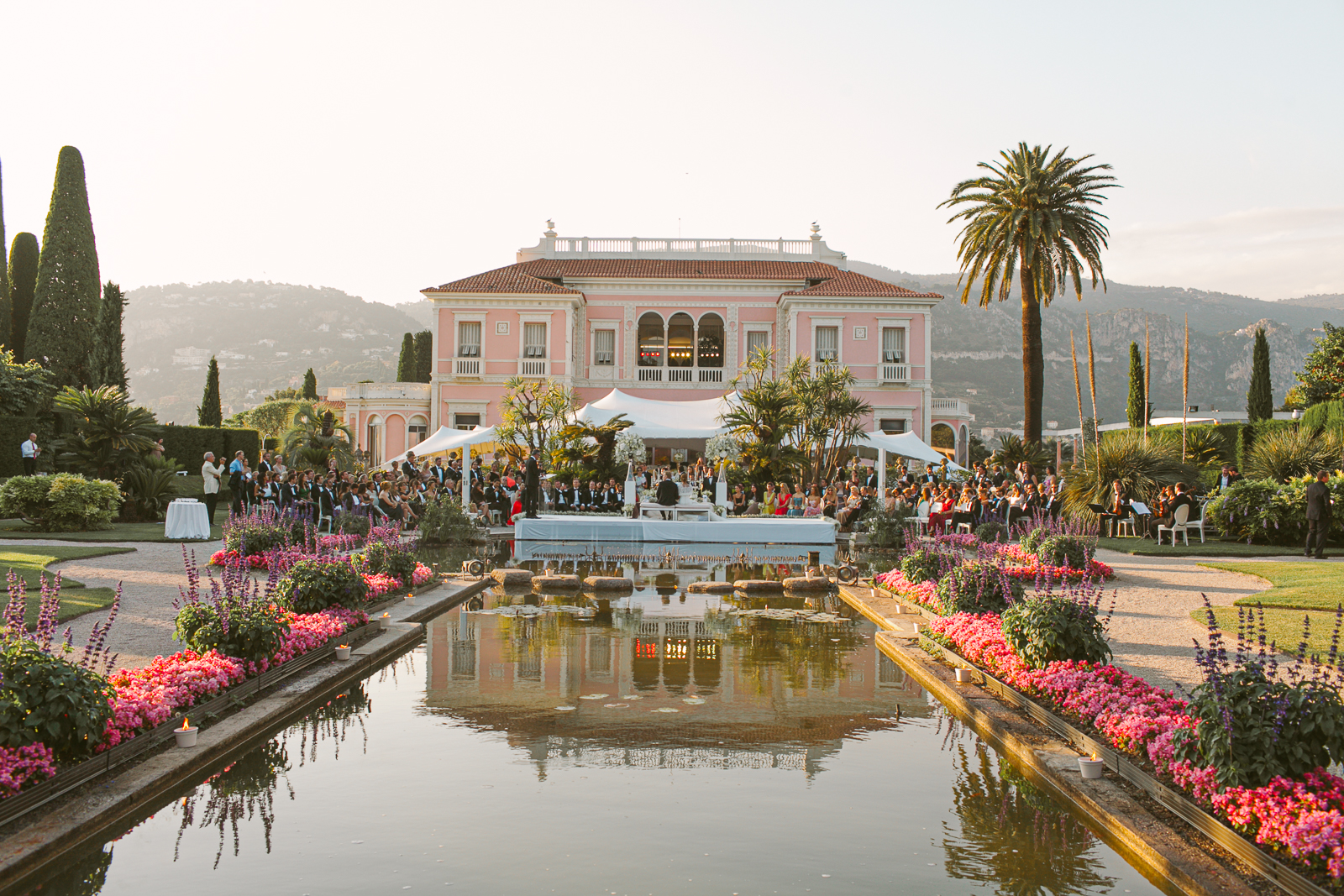
Villa Ephrussi gardens on the French Riviera

02 · Compare the venue, not just the photograph

A beautiful venue still needs to work when the weather changes.

When you compare venues, ask what the hire actually includes. Look at access for setup, catering rules, furniture, sound limits, accommodation, VAT, overtime, transport and the indoor alternative for rain. A lower rental price can become expensive once you add production, shuttles, generators or a second event space.

Guest flow matters as much as the ceremony view. Can everyone move from ceremony to drinks without a coach journey? Is dinner close enough that older guests are comfortable? Where can you take ten quiet minutes for portraits without losing the party? The answers shape the photographs and the atmosphere.

Use a venue guide to make the first shortlist, then ask the venue for its current brochure and restrictions. My guides to Lake Como, the South of France and London hotels compare the practical details that are easy to miss in an image search.

Elegant London hotel wedding detail

03 · Build a weekend people can enjoy

Give each event its own pace and purpose.

Welcome

Make arrival easy

A relaxed dinner, drinks or boat trip gives guests a shared beginning without the pressure of another formal ceremony.

Wedding day

Protect the transitions

Keep enough margin for hair and makeup, transport, a late guest and the photographs that happen between one part of the day and the next.

Day after

Leave room to stay present

A pool lunch, local walk or long breakfast lets people spend time together without asking everyone to perform another event.

Wedding landscape in the Dolomites

04 · Plan the photography around real time

The best photographs come from a day with enough breathing room.

Share the full weekend plan with your photographer early, including welcome events, travel, rehearsals and the moments that matter most to your families. A photographer who understands the whole shape of the celebration can work quietly through the changes rather than treating each part as an isolated shoot.

For portraits, one strong nearby route usually beats a long list of landmarks. Plan around the light you can actually reach. In a lake or coastal setting, wind and boat schedules matter. In a château, the most beautiful room may only be available between dinner setup and guest arrival. In a city, traffic and crowds can change the timing in minutes.

Keep a second portrait window in the plan. Ten minutes after dinner, a walk before the evening party or a quiet morning after the wedding can produce the photographs that are impossible to schedule months in advance.

My approach is documentary at its centre, with calm direction when it helps. The aim is to protect the feeling of the weekend while making photographs that still have shape, colour and intention.

A few places I photograph

The setting changes. The attention to the day stays the same.

Browse destination guides for a closer look at the venues, light, access and guest experience in each region.

Asylum Chapel wedding in London Asylum Chapel, London Château de Vaux-le-Vicomte wedding venue near Paris Vaux-le-Vicomte, France

Questions couples ask

Before you book the venue.

How far in advance should we plan a destination wedding in Europe?

For a popular venue or a weekend in peak season, 18 to 24 months gives you the best choice. Smaller weekday celebrations can come together more quickly, but the venue, planner and guest travel still need to be checked before you commit to a date.

Which European countries are easiest for a destination wedding?

The easiest country depends on your guest list, ceremony type and venue shortlist. Italy and France offer a wide range of private estates and hotels, while a symbolic ceremony can make the legal side simpler wherever you choose to celebrate.

Do we need a wedding planner for a destination wedding?

A planner becomes especially valuable when the wedding involves several events, guest transport, a private estate, unfamiliar suppliers or a ceremony in a language you do not speak. They can also turn venue restrictions into a workable plan.

How should we plan the photography around travel and weather?

Build the photography around the day you want to have, then protect time for portraits and real movement. A nearby Plan B, generous travel margins and a second portrait window are more useful than trying to visit every landmark.

Continue planning

Start with the country, then test the venue against the real weekend.

Explore the destination wedding photography service, or browse more practical planning notes in the wedding photography journal.

WhatsApp