
Separate the approach from the edit
Documentary and traditional describe how a photographer works. Light and airy or dark and moody usually describe the finished colour and contrast. Film describes a medium, although digital photographs can also be edited to resemble it. These labels overlap: one photographer can make candid pictures, direct family portraits and use a consistent colour treatment throughout the same wedding.
Documentary, photojournalistic and candid photography
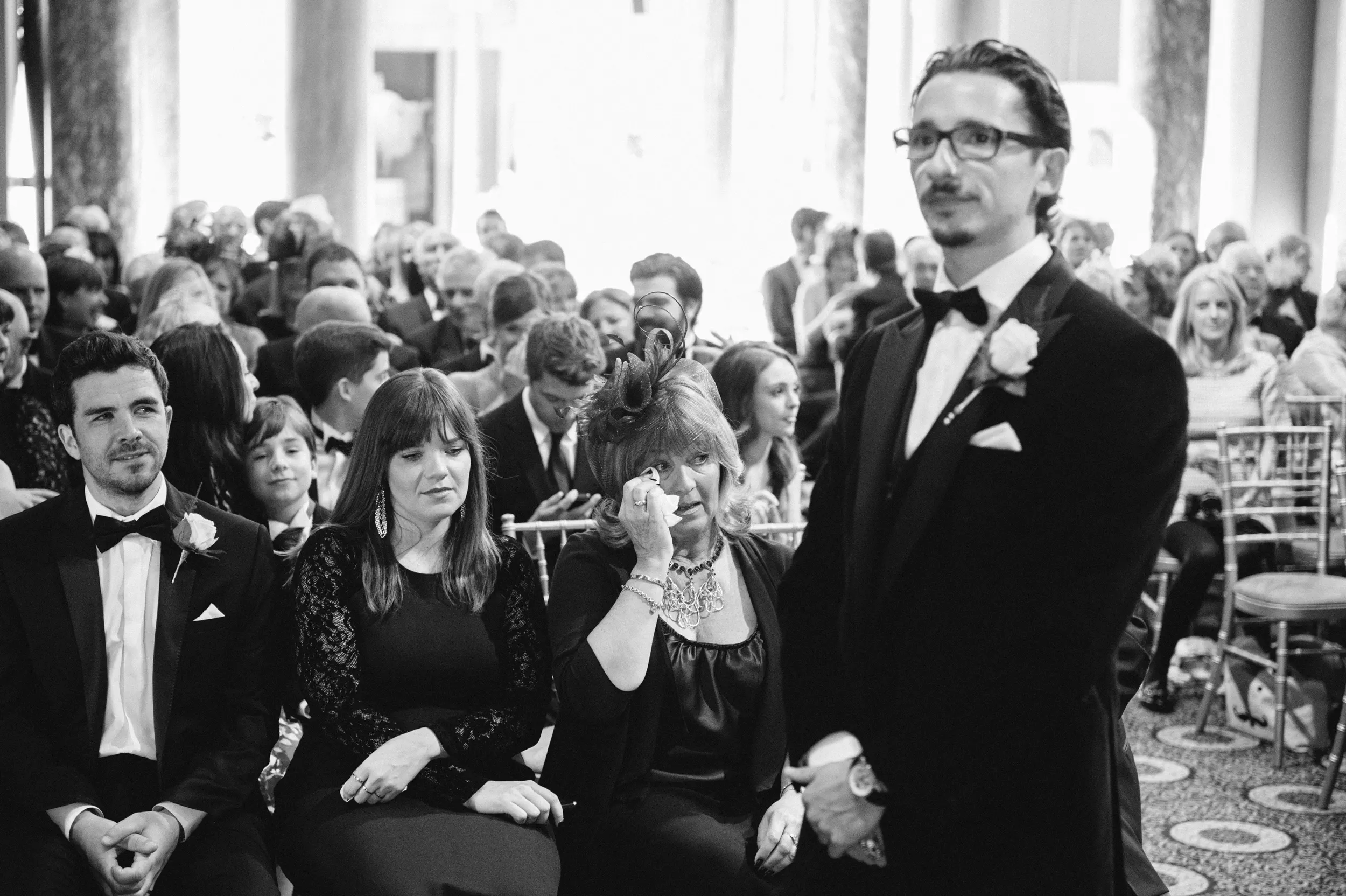
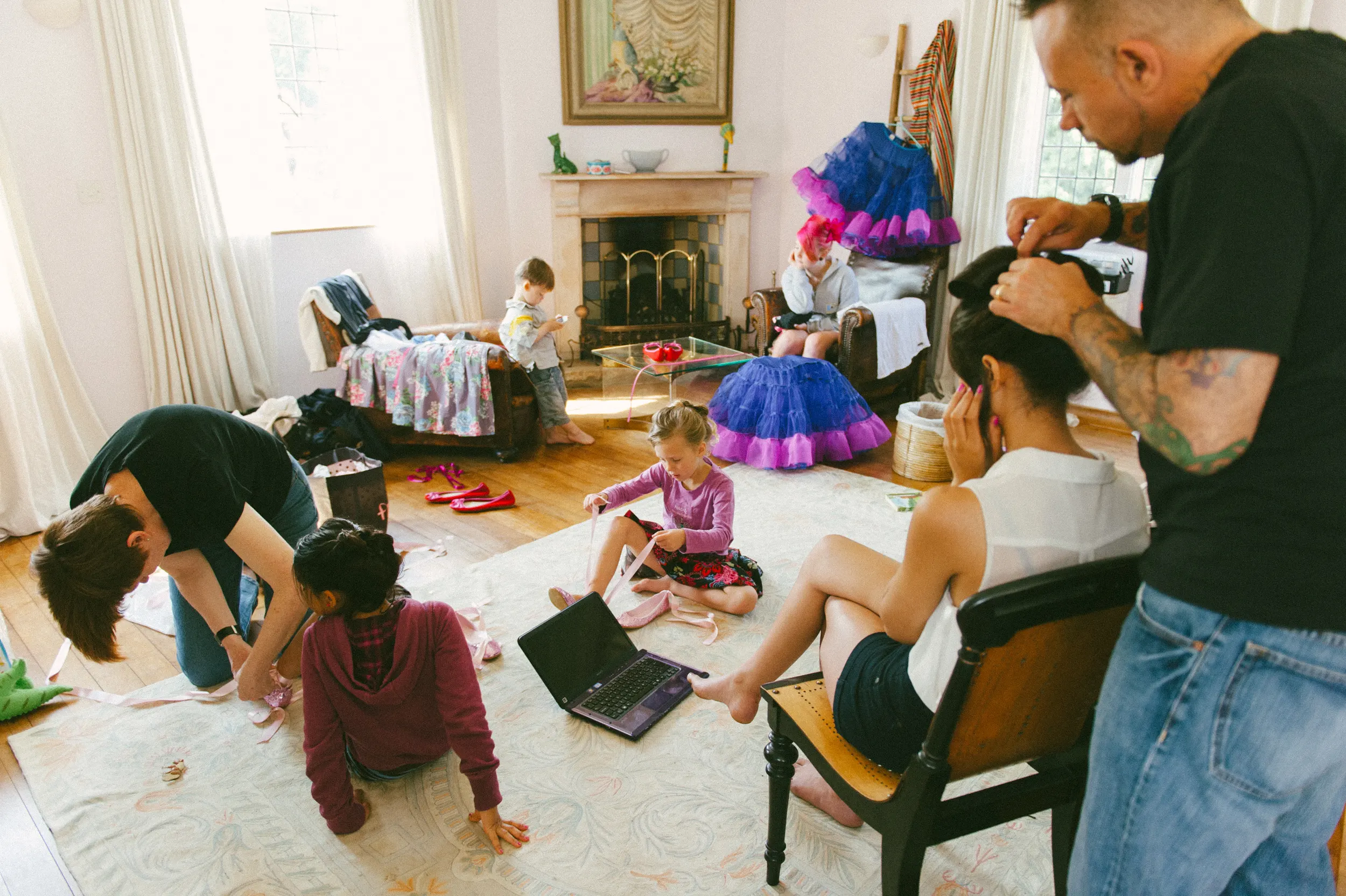
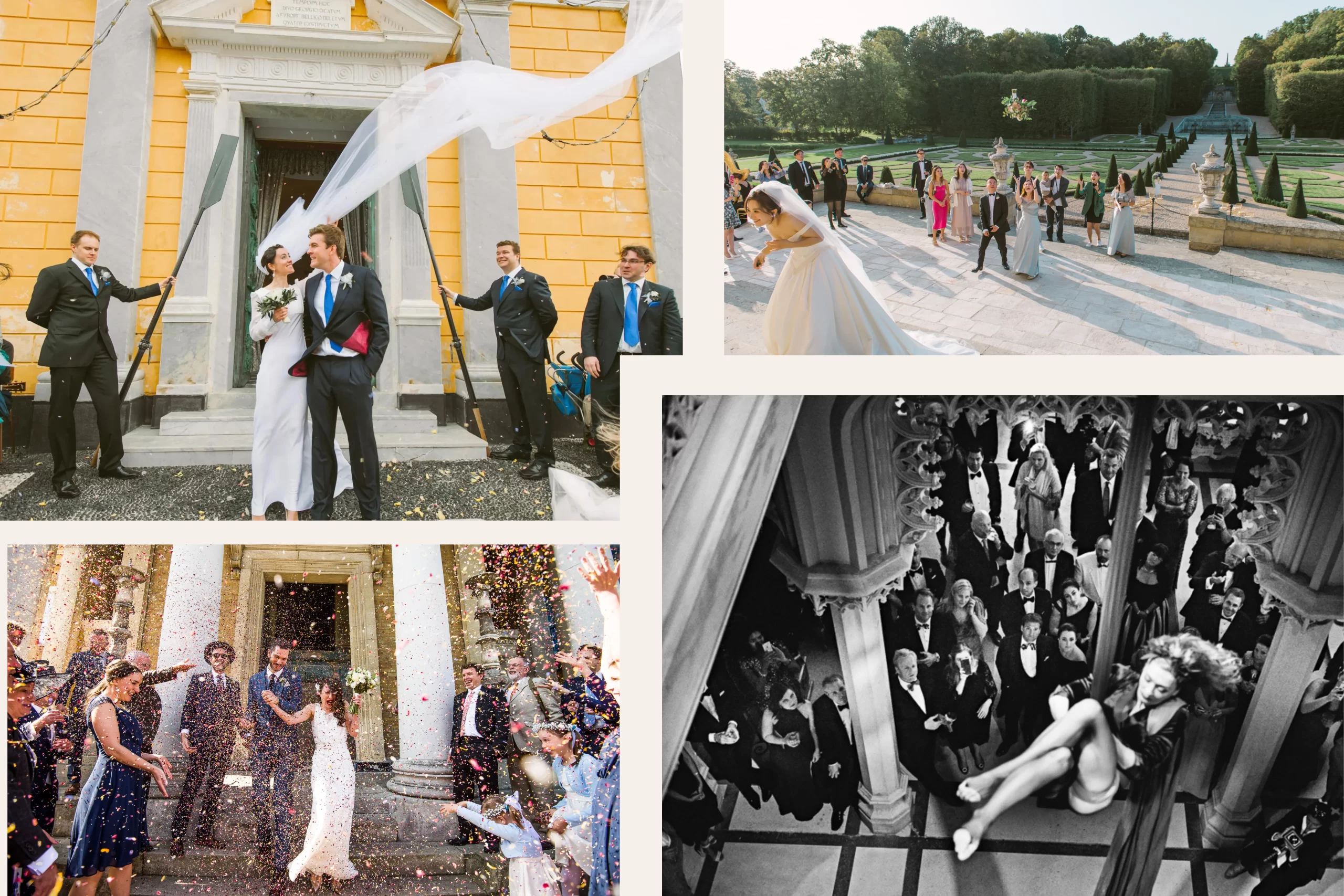
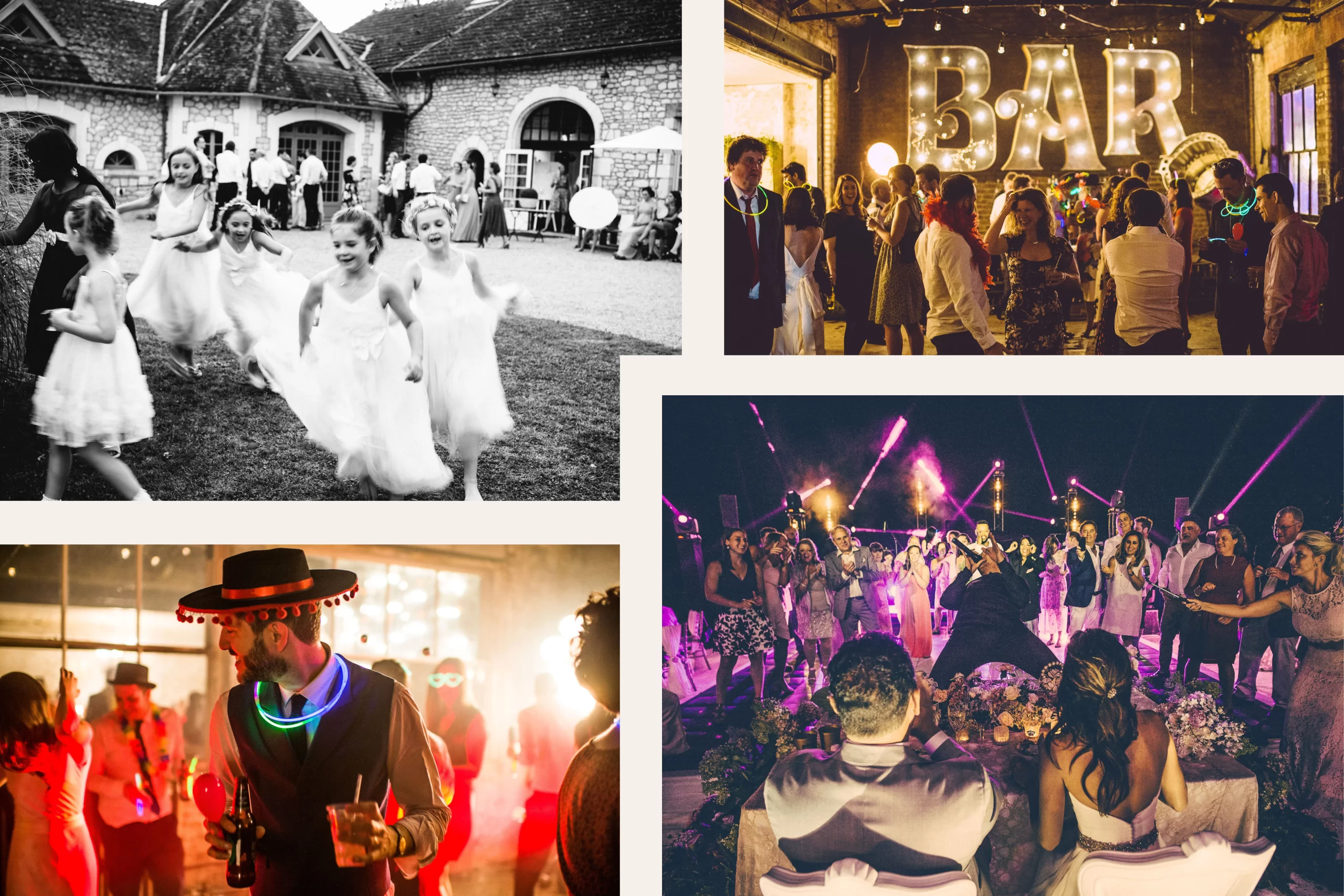
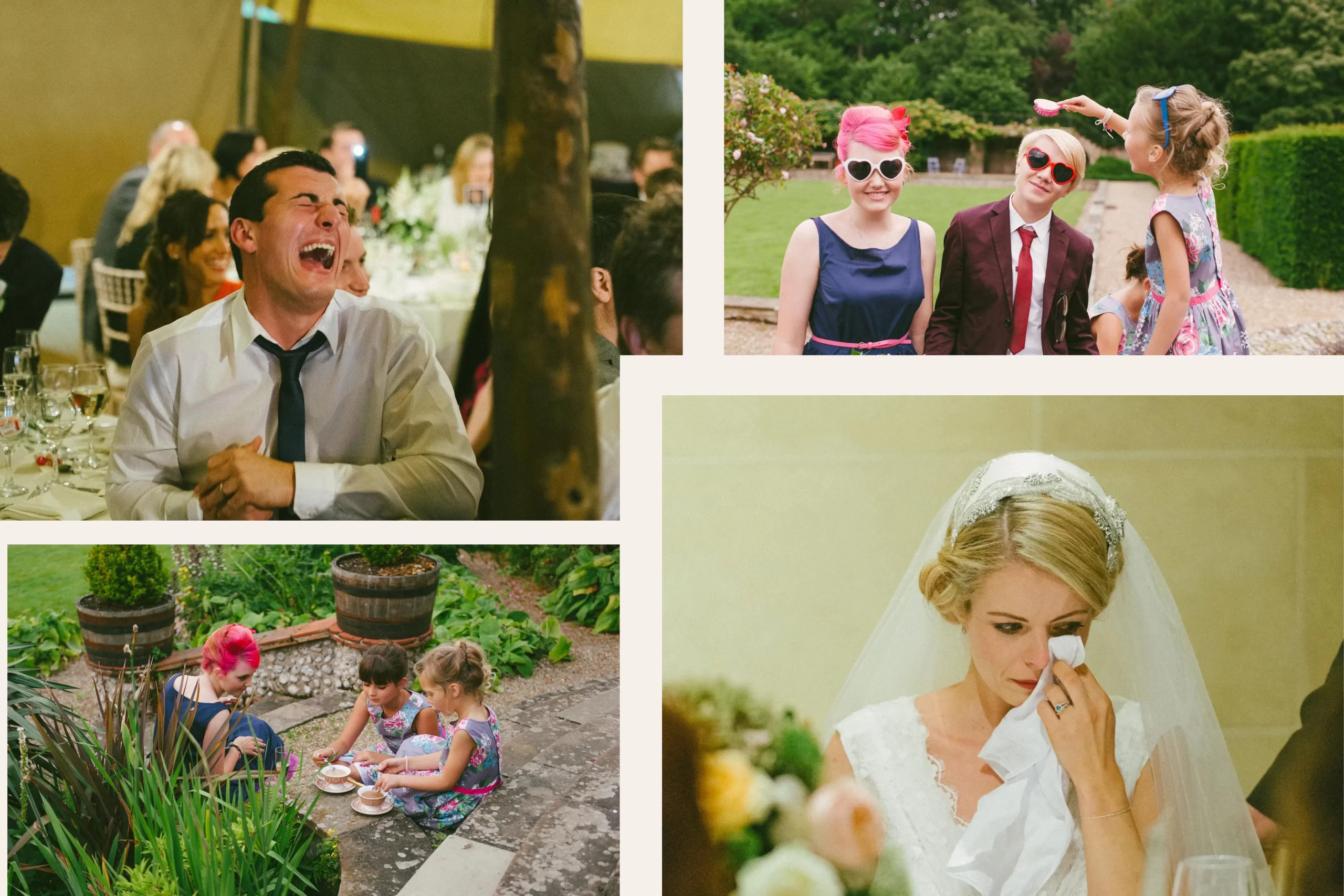
These approaches prioritise events as they happen: greetings after the ceremony, reactions during speeches and the moments between planned events. Ask how the photographer handles family groups and portraits, because a documentary portfolio does not necessarily mean there is no direction. A complete gallery should show relationships and transitions as well as individual striking frames.
Traditional and classic portraits
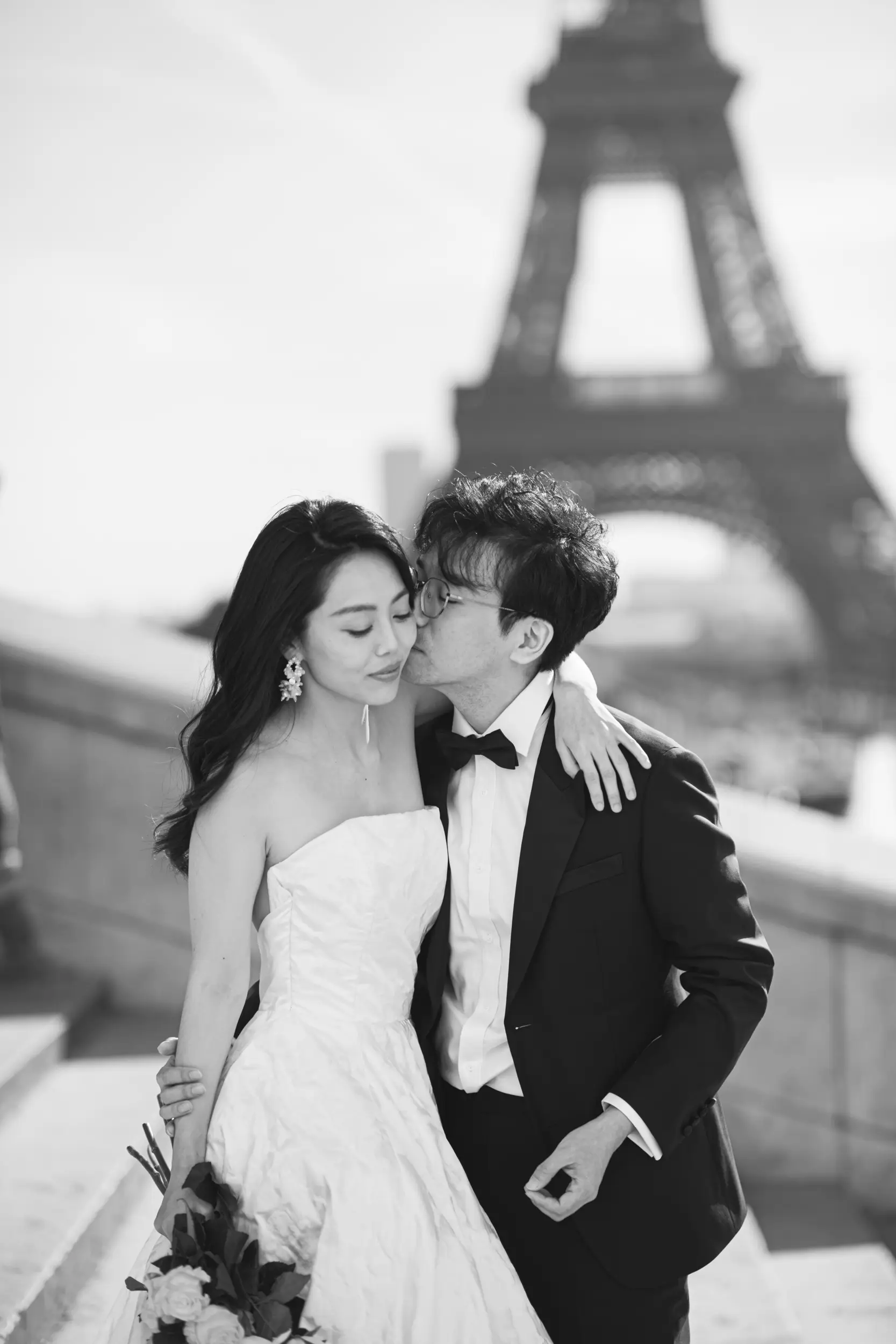
Traditional photography makes time for arranged photographs of the couple, family and wedding party. It can be particularly useful when certain combinations of people matter to you. Agree a short group list before the wedding and appoint someone who knows the guests to help gather them. The question is how much time and direction you want, rather than whether posed photographs belong in your story.
Editorial, artistic and fine-art photography
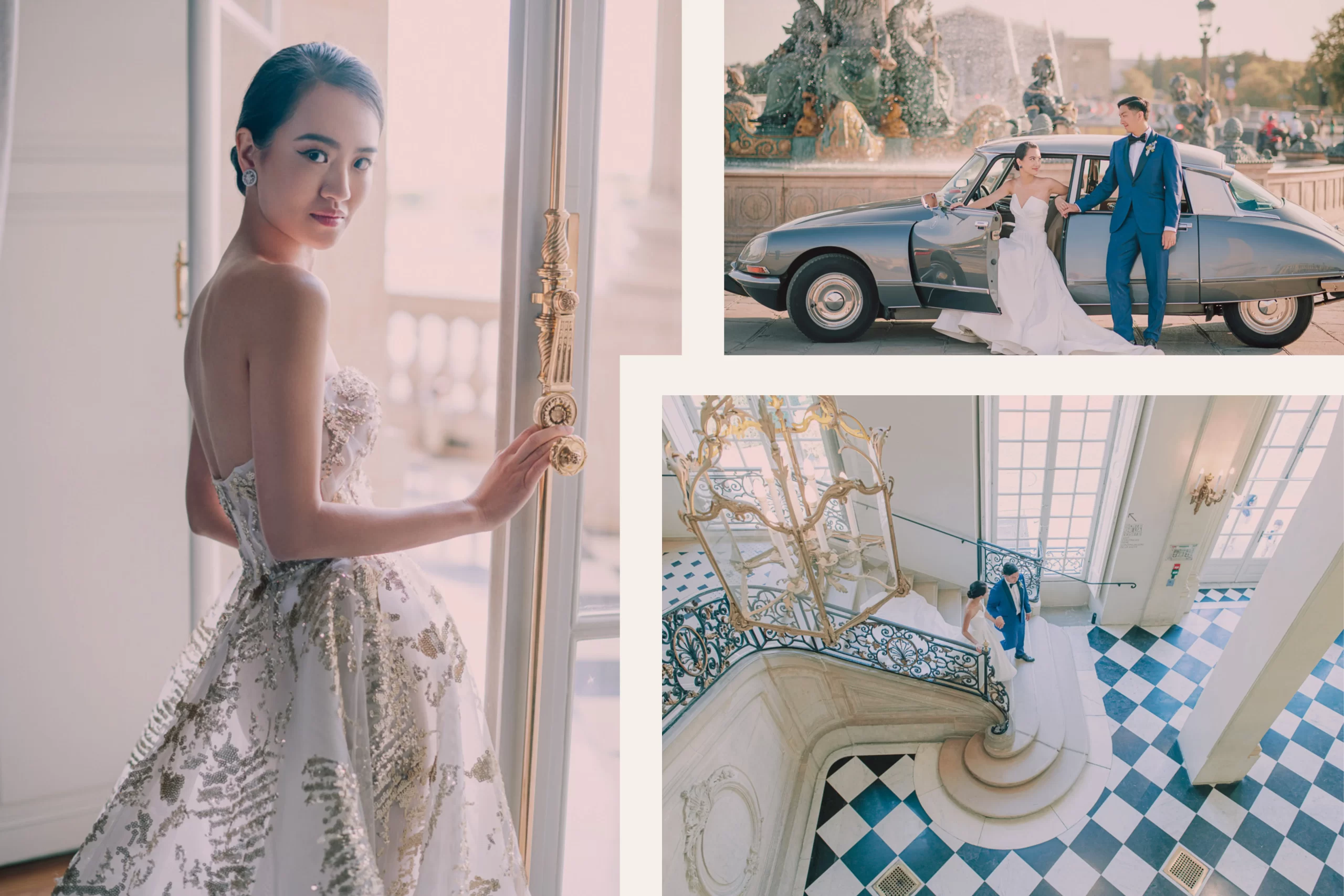
These descriptions often emphasise composition, light and carefully directed portraits. Look beyond the label to see how the photographer works with a real couple in a real venue. Ask how long portraits usually take and which images in the portfolio came from styled shoots. A styled session may allow more time and control than a wedding day.
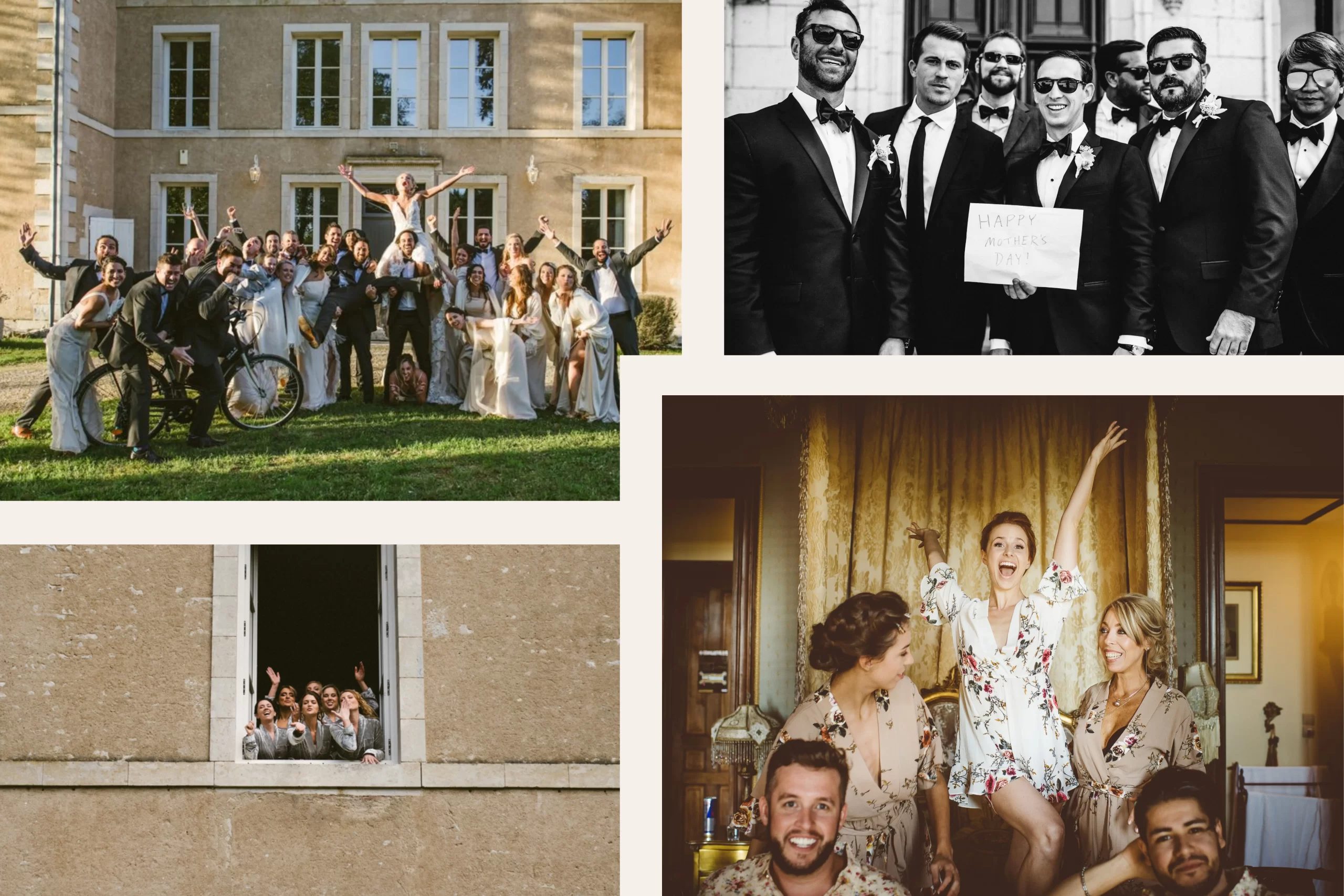
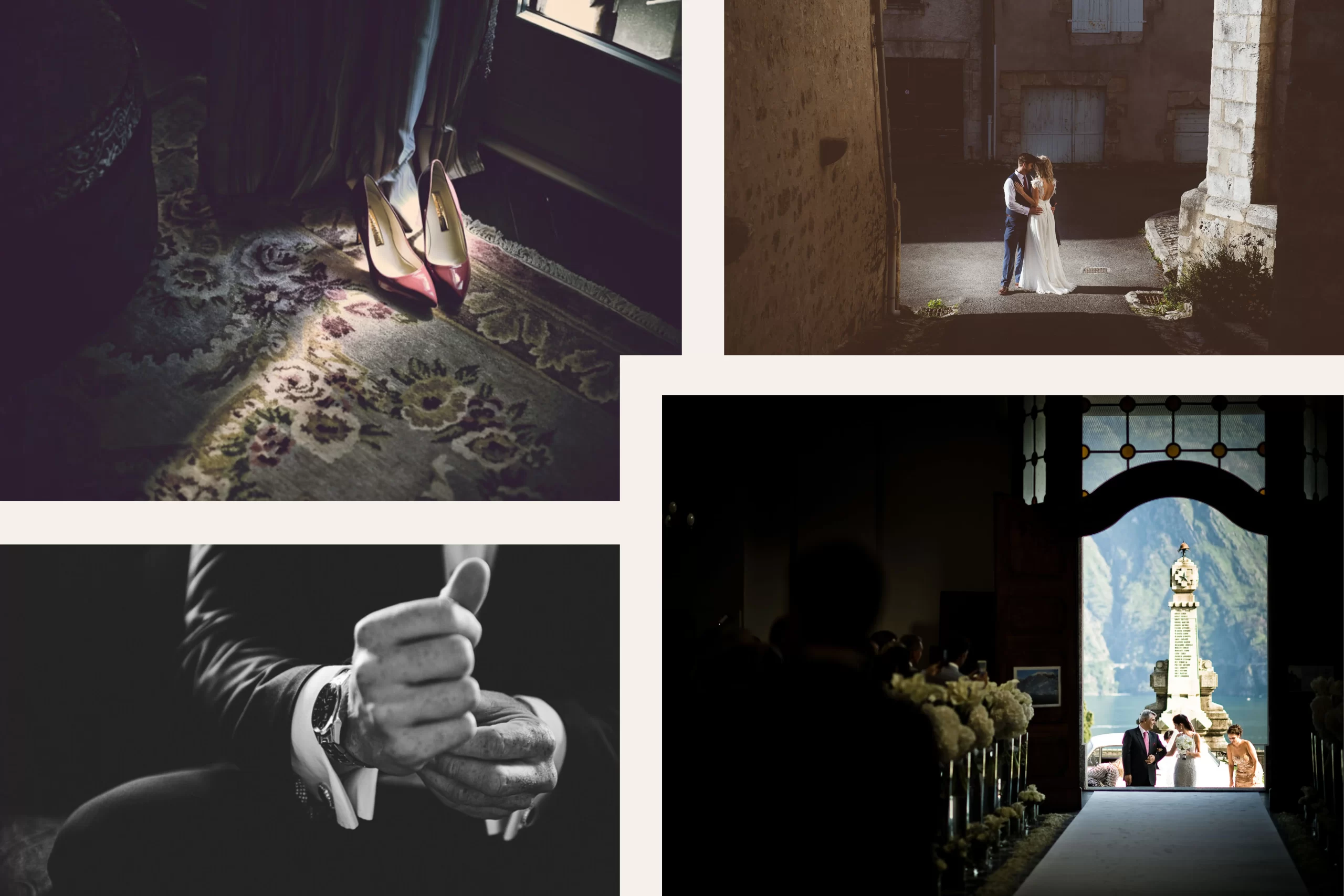
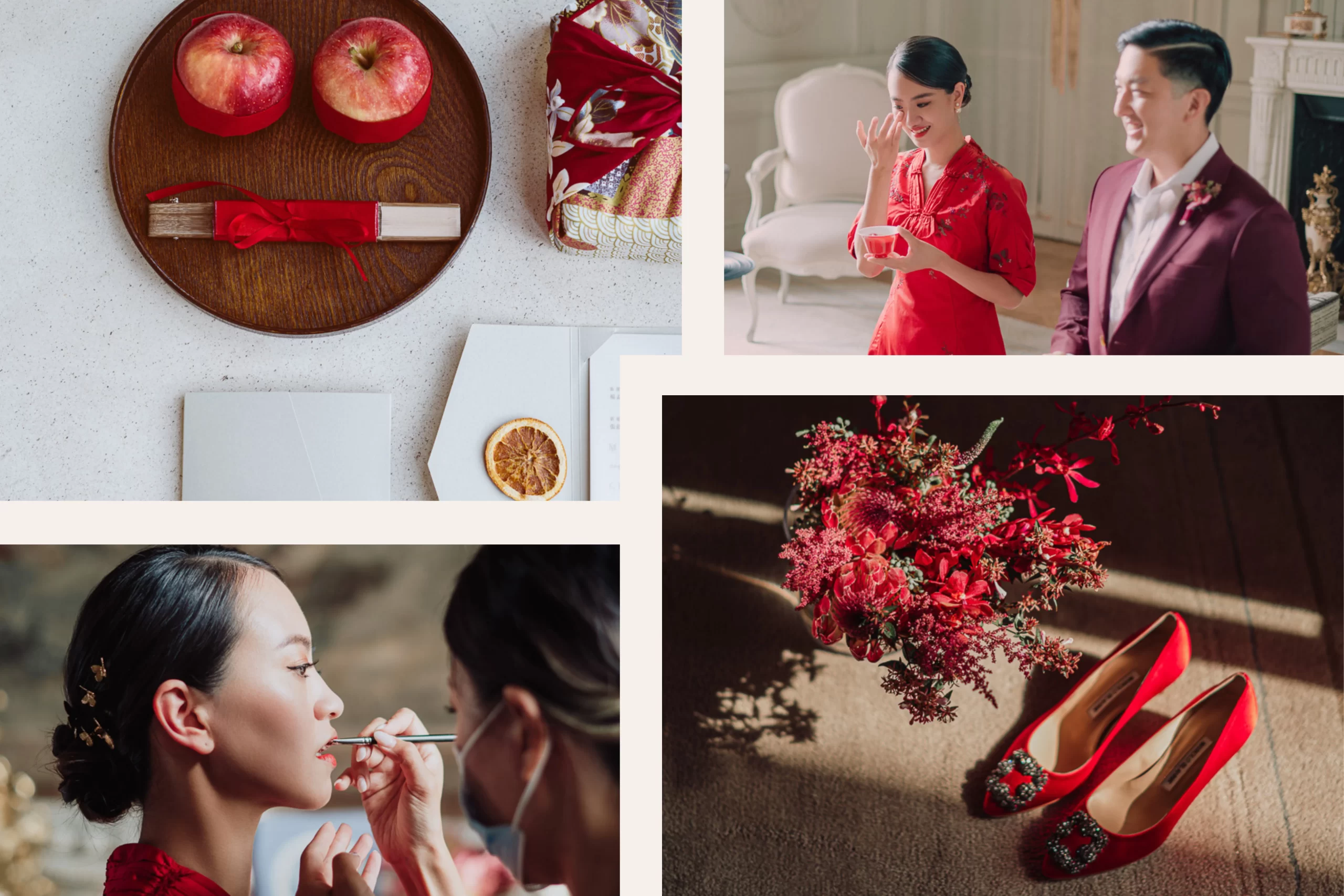
Light and airy, dark and moody, and natural colour
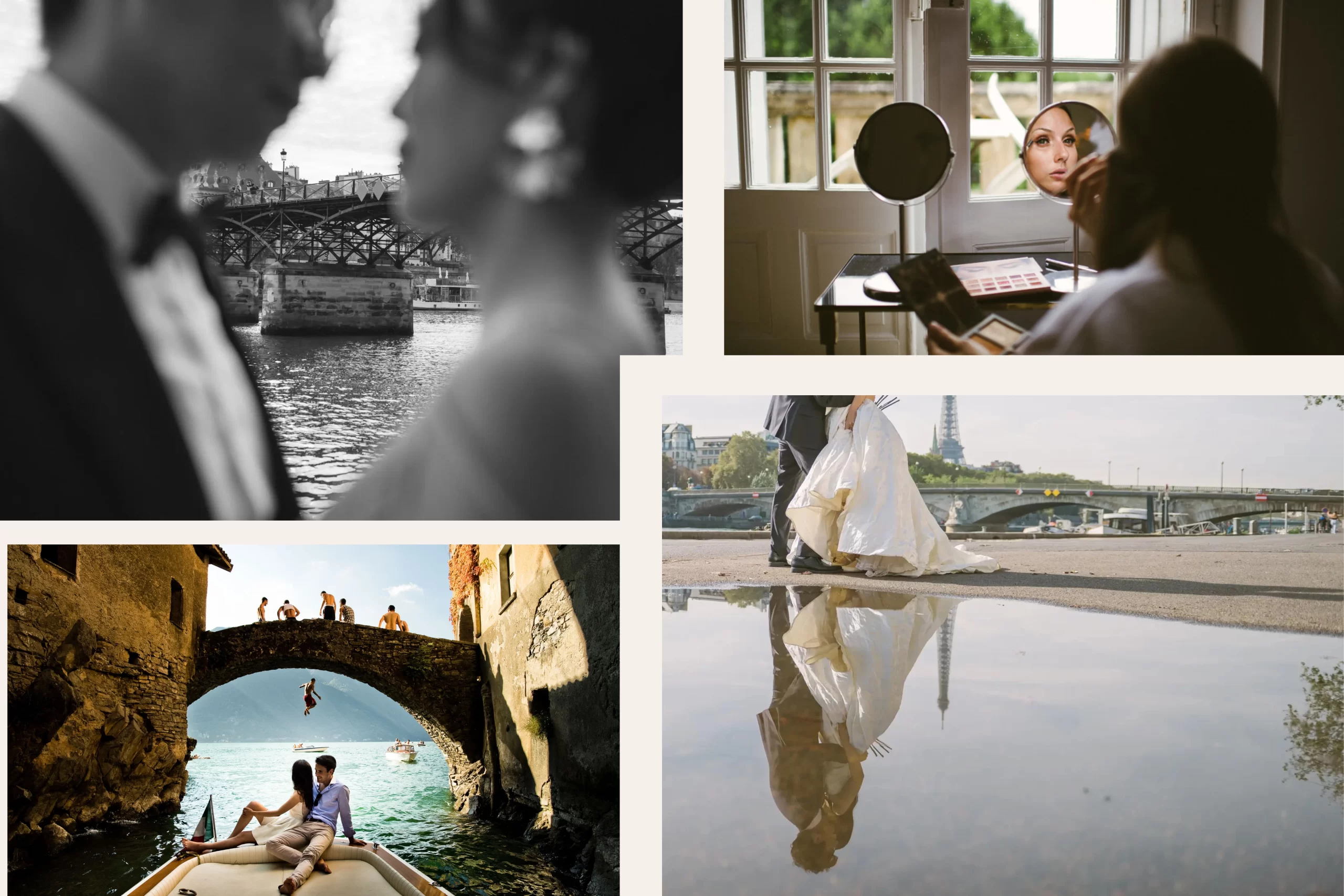
Bright editing can feel soft and open; deeper shadows can create atmosphere and drama. Compare skin tones, the wedding dress and photographs made indoors as well as outside. A colour treatment you love in afternoon sunshine should also work for your ceremony and reception. Black and white can sit alongside colour when it adds something to an image rather than simply repeating it.
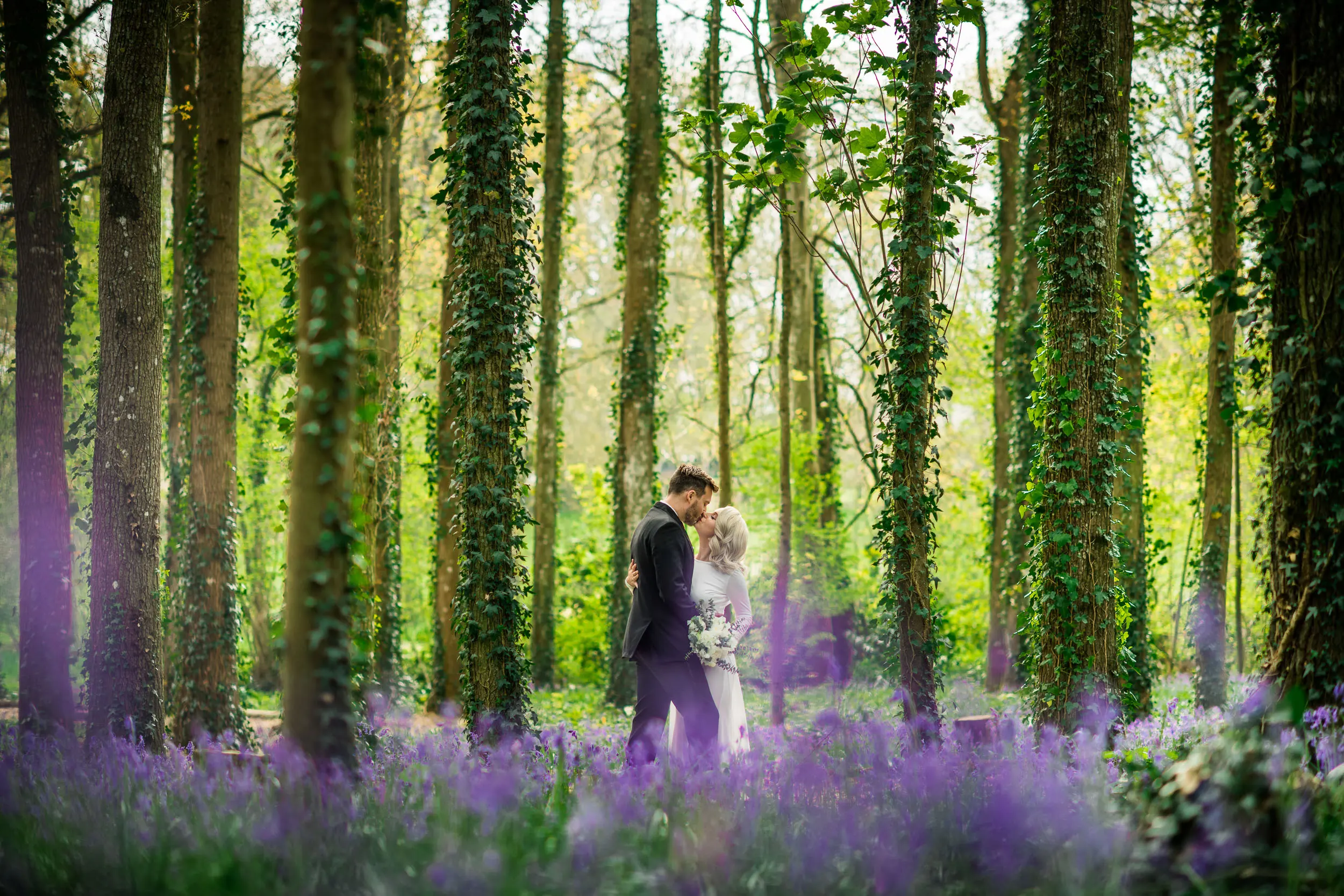
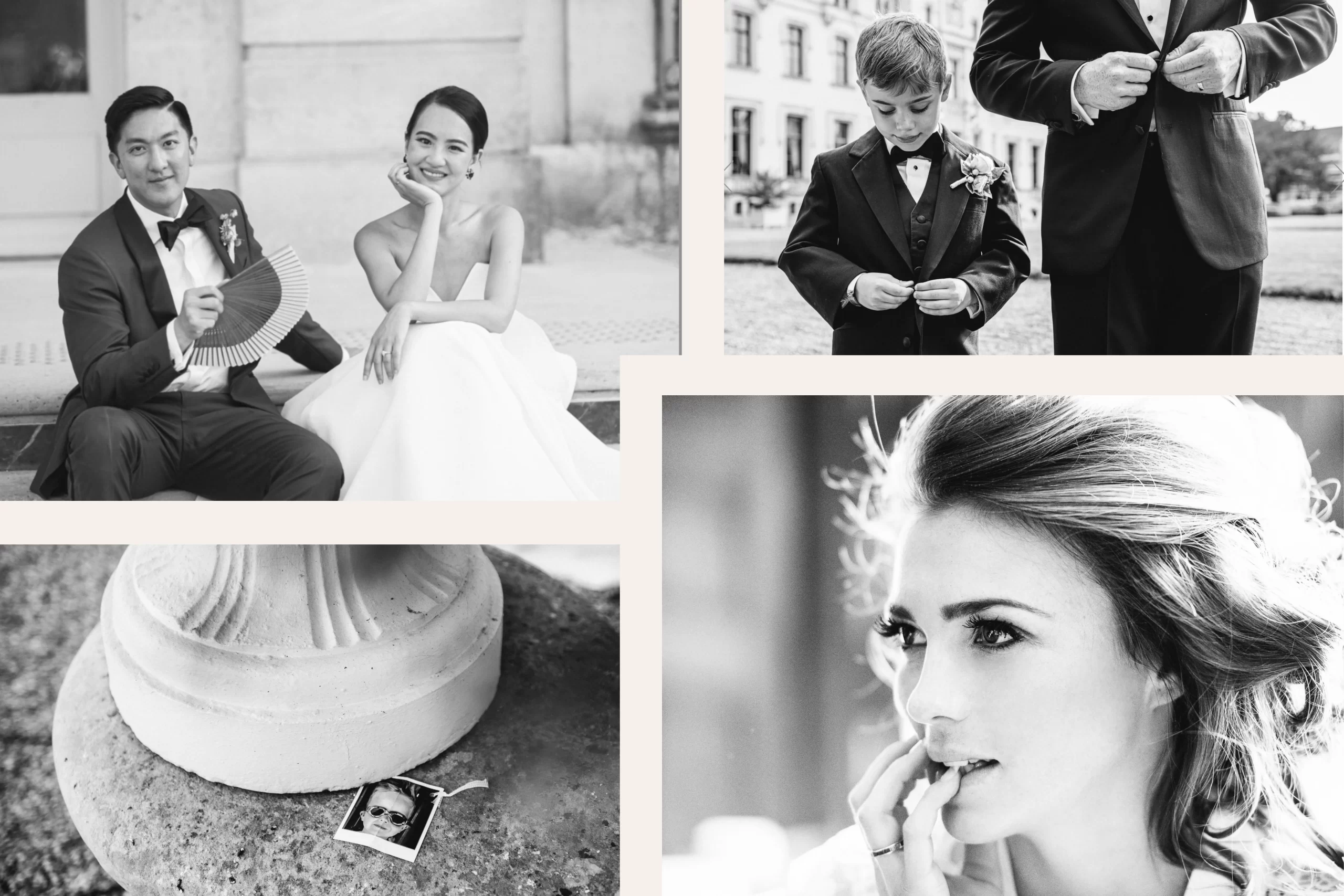
Film and contemporary photography
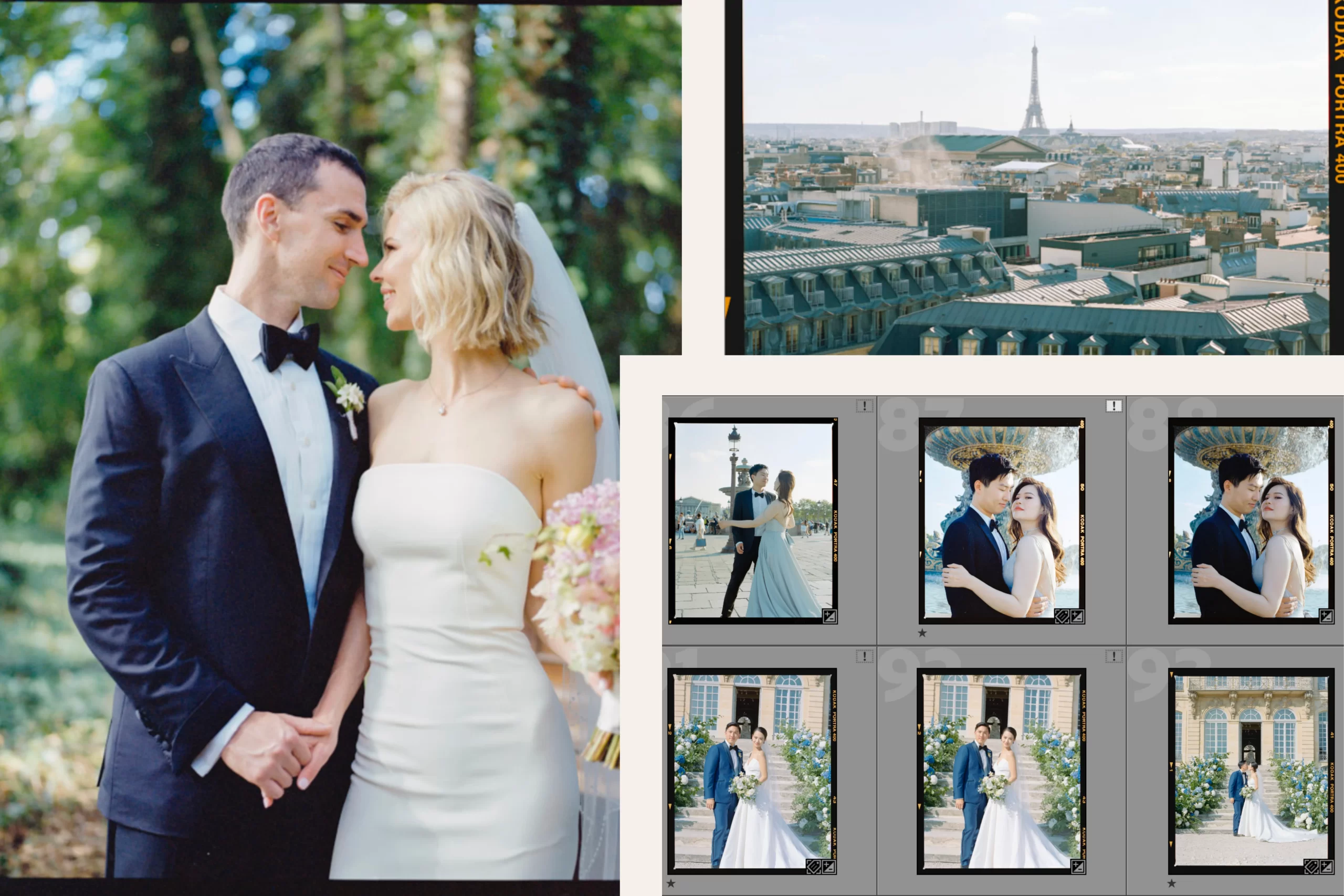
Film photography uses physical film; a film-inspired digital edit is a different process. If the distinction matters to you, ask what will actually be used and what you will receive. Modern or contemporary is a broad description, so look for the qualities you mean: movement, unusual framing, strong colour or a more fashion-led portrait. A label alone cannot tell you what the finished gallery will look like.
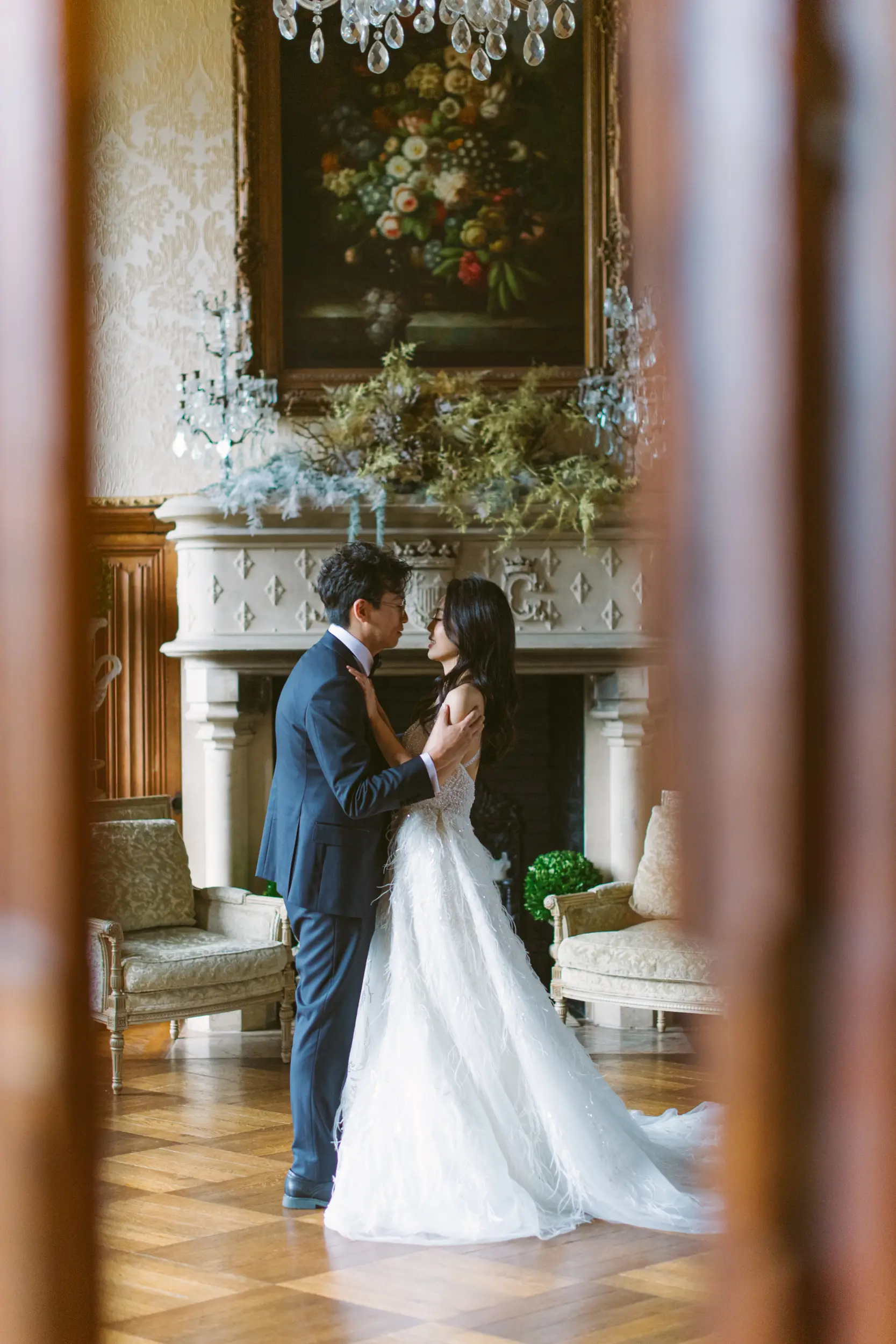
Match the photography to the day you want
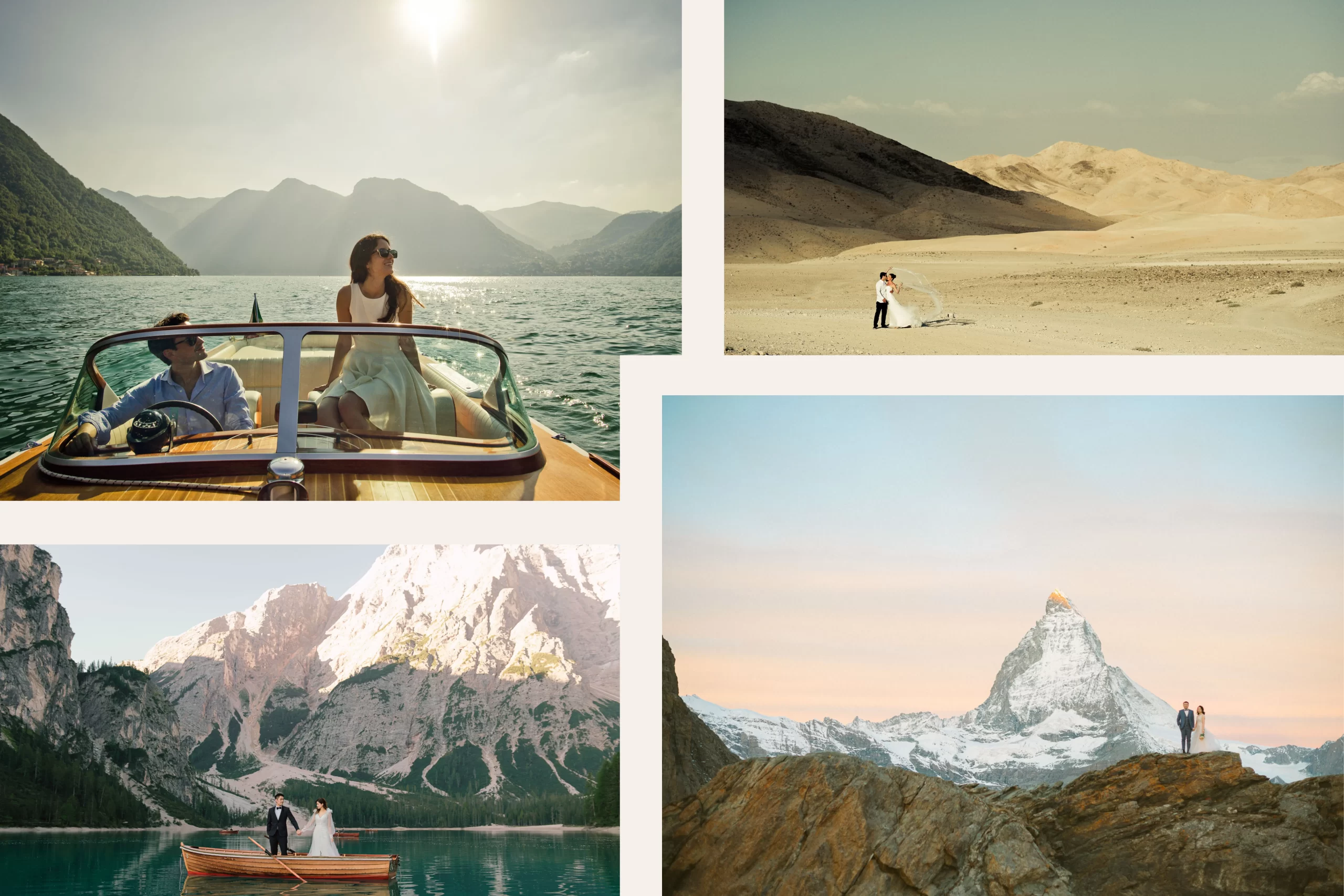
Your venue and schedule affect the photographs, but they do not dictate a single style. A countryside wedding can have bold editorial portraits; a city wedding can be documented quietly. Think about your priorities: time with guests, family photographs, the setting or a longer portrait session. Share examples you like and explain what draws you to them.
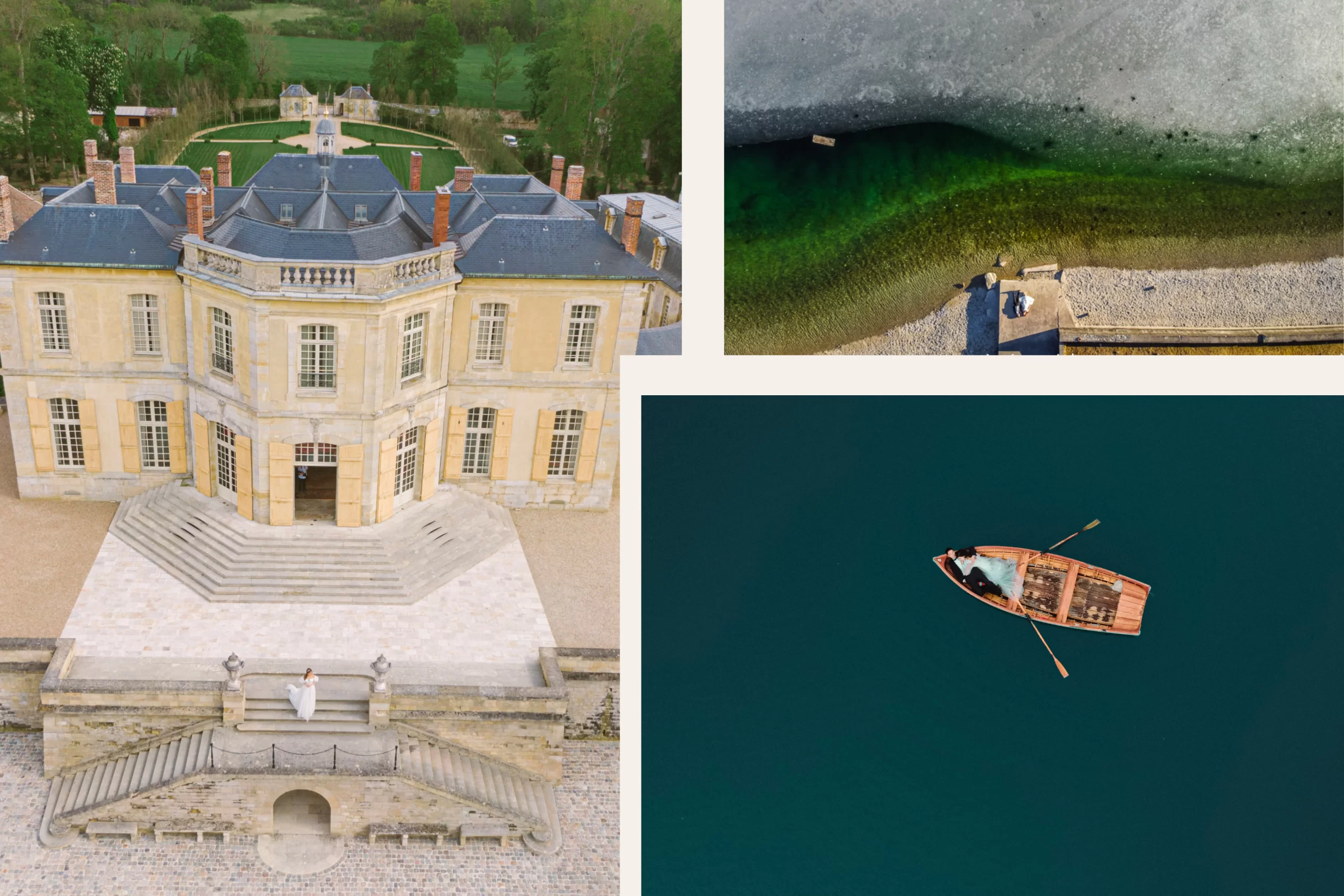
First looks, aerial photographs and other choices
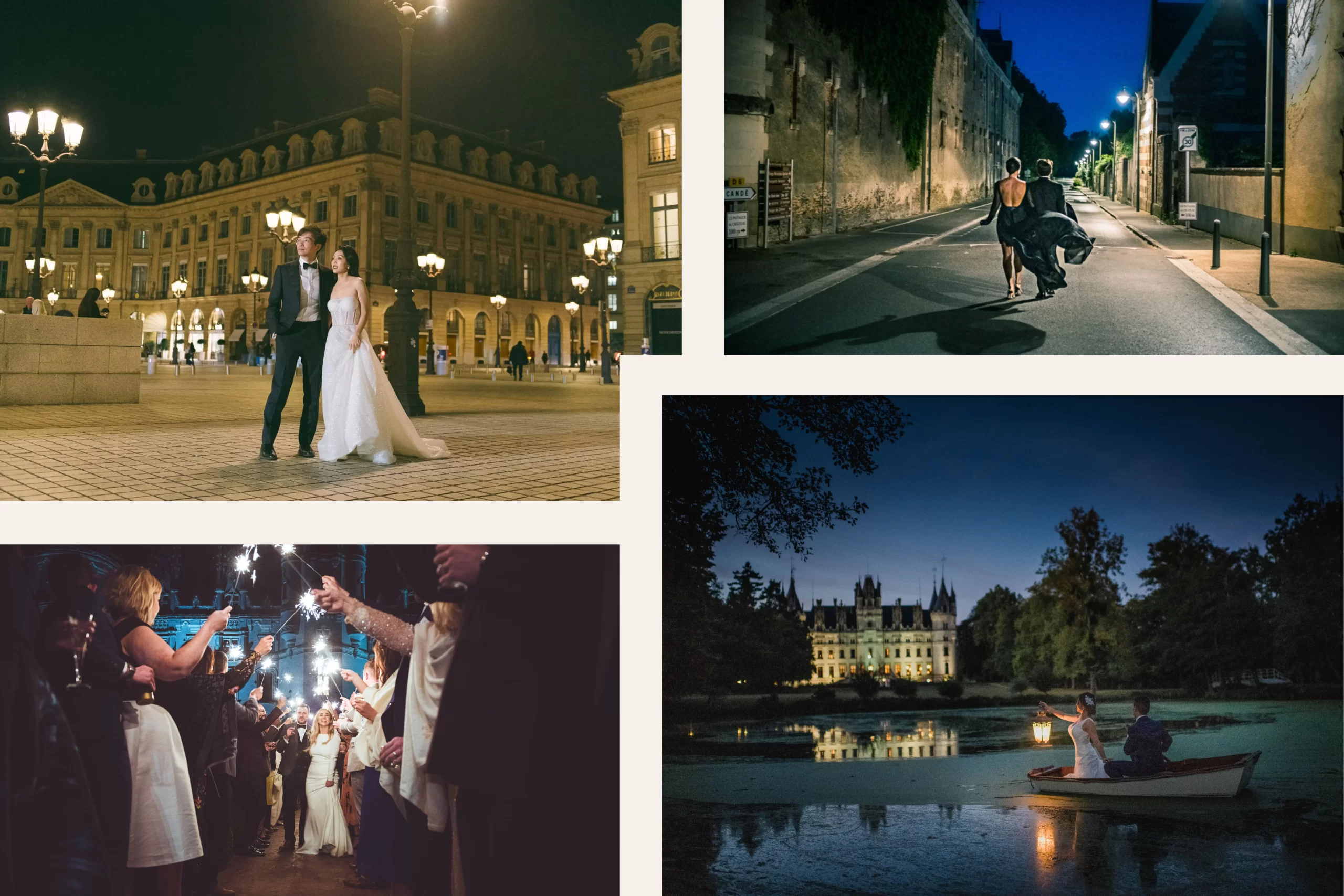
A first look creates time together before the ceremony, but it changes when you first see one another. Choose it because it suits your day. Aerial photographs can show the setting, although they depend on access, conditions and the operator’s ability to fly there. Neither is a requirement for a complete wedding story. Ask what happens if a planned photograph is not possible.
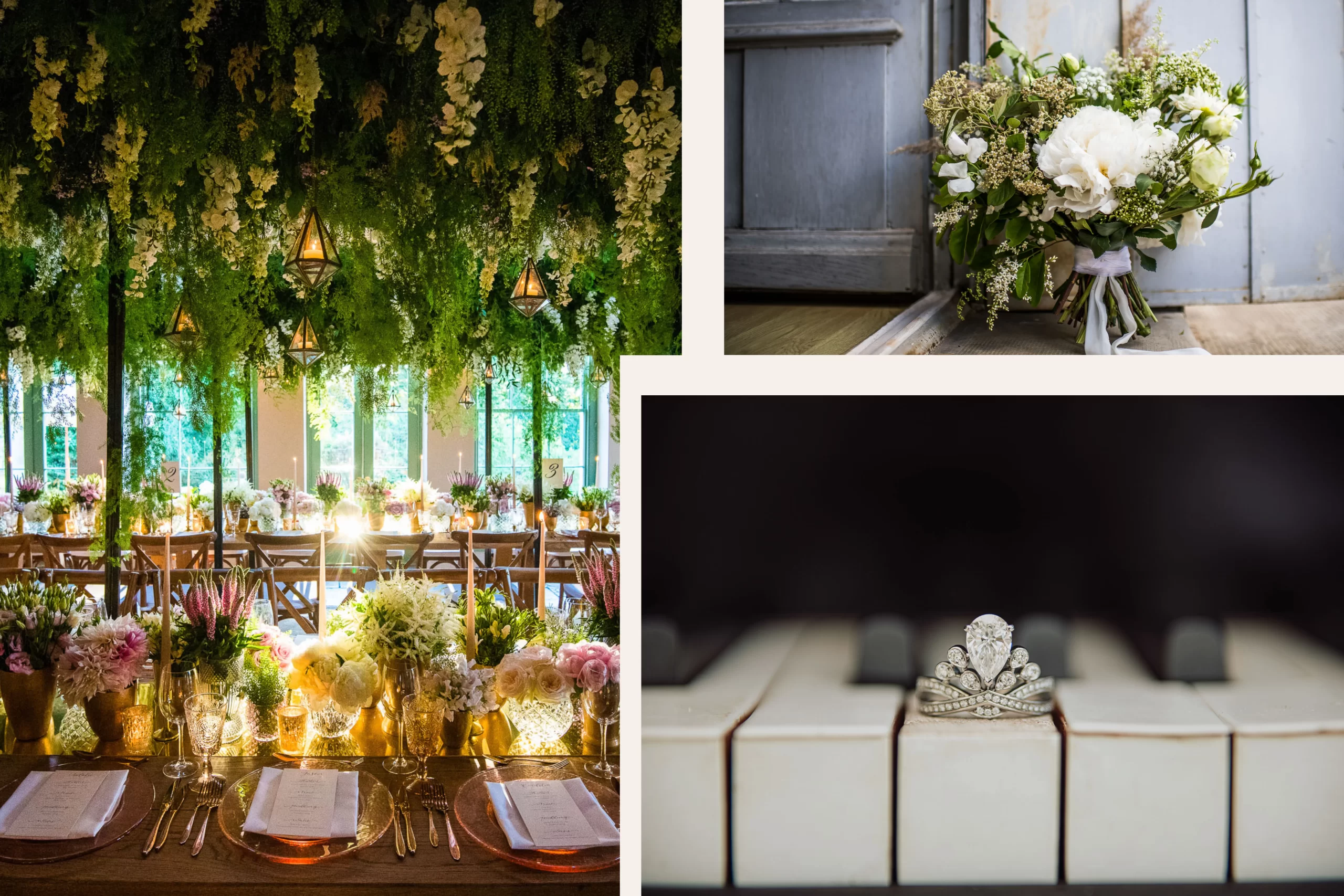
Review full galleries before choosing
Look at at least one complete wedding with light and a venue similar to yours. Check the ceremony, family groups, dinner and dancing, not only the portraits. Notice whether the people look comfortable and whether the photographs hold your interest as a sequence. Discuss who will photograph the day, what is included, the delivery arrangements and how much direction to expect.
A short checklist for your photographer
Which parts of the day will you direct? How do you organise family photographs? Can we see a complete gallery from similar conditions? How much time should we allow for portraits? How do you approach dark interiors and evening celebrations? Use the answers alongside the photographs to choose someone whose working approach fits yours.